
 (832) 422-0354
  Everyday: 8:00am - 6:00pm

Concrete Patio Installation in Houston, TX
Slabs on Grade builds stamped, broom finish, exposed aggregate, and paver patios, plus slabs for outdoor kitchens and covered patios. Houston freezes are few and short in most winters, so cold is not what breaks a patio here. Clay soil that swells and shrinks, heavy rain, and long summer heat do the damage. A Houston concrete patio needs a solid base and good drainage, and that is where we start.

- Family-Owned Since 2010
- 5.0 Google Rating (23 Reviews)
- Licensed & Insured
- Free On-Site Estimates
- Over 1,000 Customers Served

Concrete Patio Slabs Built for Houston Clay Soil
A patio is only as good as the ground under it. Much of the Houston area sits on expansive clay. It swells when it gets wet and shrinks as it dries, and that movement can lift, tilt, and crack a slab poured on a weak base. Add around 50 inches of rain a year and summer highs in the 90s, and it is easy to see why so many backyard slabs fail early.
Our concrete patio slabs start with the prep work. We clear out roots and topsoil, grade the ground so water runs away from your house, and compact the base. In soft spots we bring in crushed limestone. Forms and steel rebar go in before any concrete arrives. Most patios are about 4 inches thick. Heavy loads, like a stone grill island, may call for a thicker slab, and we spell that out in your written estimate.
Slabs on Grade has poured concrete across Greater Houston since 2010 and has served over 1,000 customers. As concrete patio contractors in Houston, we handle the whole job, from tear-out to the final seal.
Request a Free EstimateWhat We Handle
- New concrete patio installation
- Stamped concrete patios
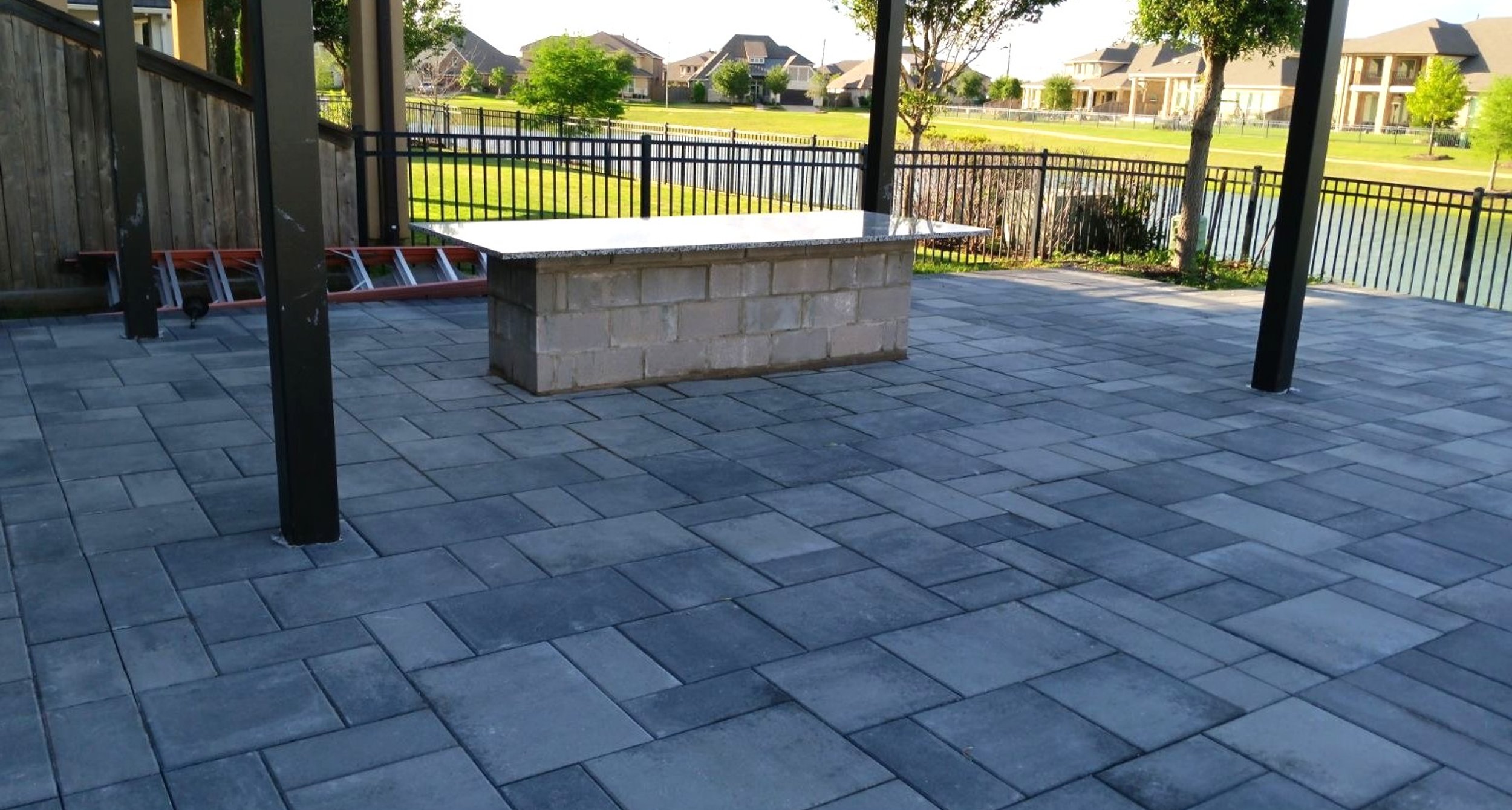
- Paver patio installation
- Patio extensions and expansions
- Outdoor kitchen and covered patio slabs
- Tear-out and full replacement
- Sealing and surface restoration
 New concrete patio installation
When to Call Houston Patio Contractors
Most of our patio jobs start with one of these situations. If one sounds like your backyard, it is a good time for a free estimate.
Your Patio Is Cracked or Sinking
Wide cracks, sunken corners, or a slab that tilts are signs the soil under it has moved. Patches rarely last when the base has failed. A new slab on a rebuilt base is often the better long-term fix.
Water Pools Near the House
If rain runs toward your foundation or sits on the patio for hours, the slope is wrong. A new slab graded away from the house fixes the drainage at the source.
You Have No Patio, or Too Little
Many new homes come with a small slab by the back door. We extend it or build a new patio sized for a table, a grill, and room to walk.
You Want a Custom Look
Stamped concrete gives you the look of stone, brick, or tile for less than natural stone. We help you pick patterns and colors that hold up in the Houston sun.
You Are Planning an Outdoor Kitchen
Grill islands and outdoor kitchens need a flat, strong slab. We pour the base so your kitchen builder has a solid place to start.
HOAs and Property Managers
Common areas, pool decks, and shared patios that see heavy use. We build them to handle more foot traffic than a typical backyard.


Patio Surfaces for Every Houston Backyard
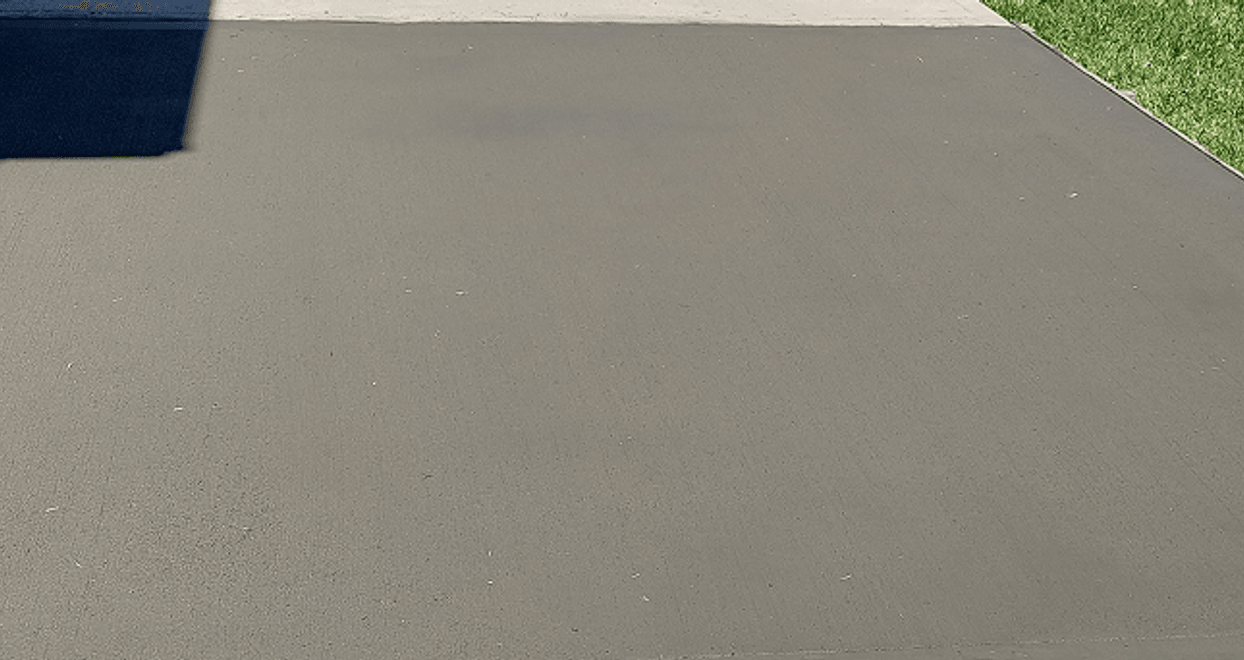
Broom Finish Concrete Patio
The simple, practical choice. A broom pulled across the wet surface leaves fine lines that give good grip when the patio is wet. It is our most budget-friendly patio finish and where most projects start.
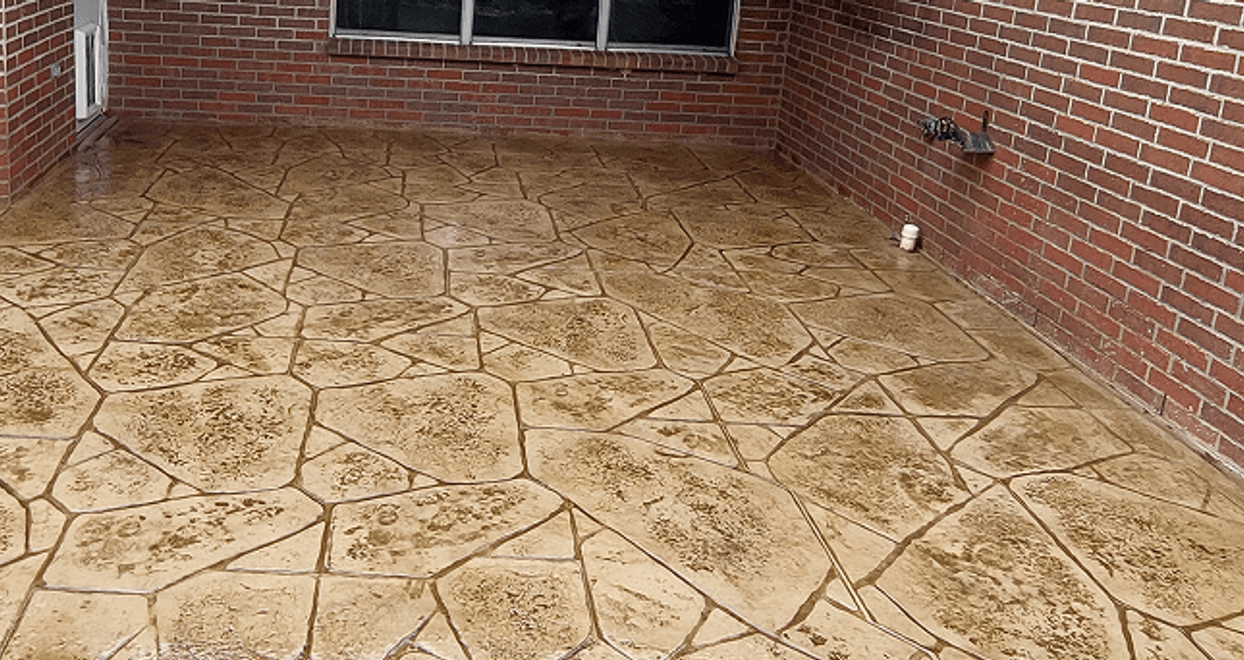
Stamped Concrete Patio
Stamped concrete gives your patio the look of stone, slate, or brick without the cost of natural material. We press pattern and color into the slab before it cures and seal it for long-term durability in the Houston climate. Near a pool, ask about a non-slip additive in the sealer.
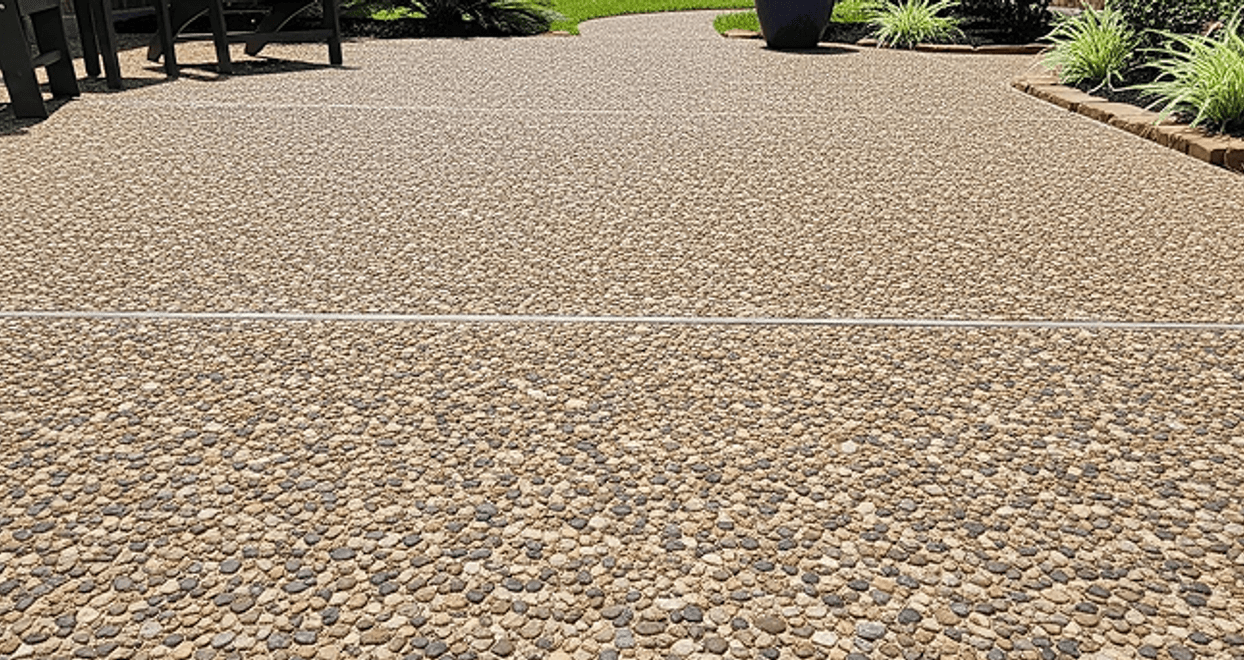
Exposed Aggregate Patio
The top layer of cement paste is washed away to show the natural stone beneath. The result is a textured, non-slip surface that works well around pools and on larger backyard patios.
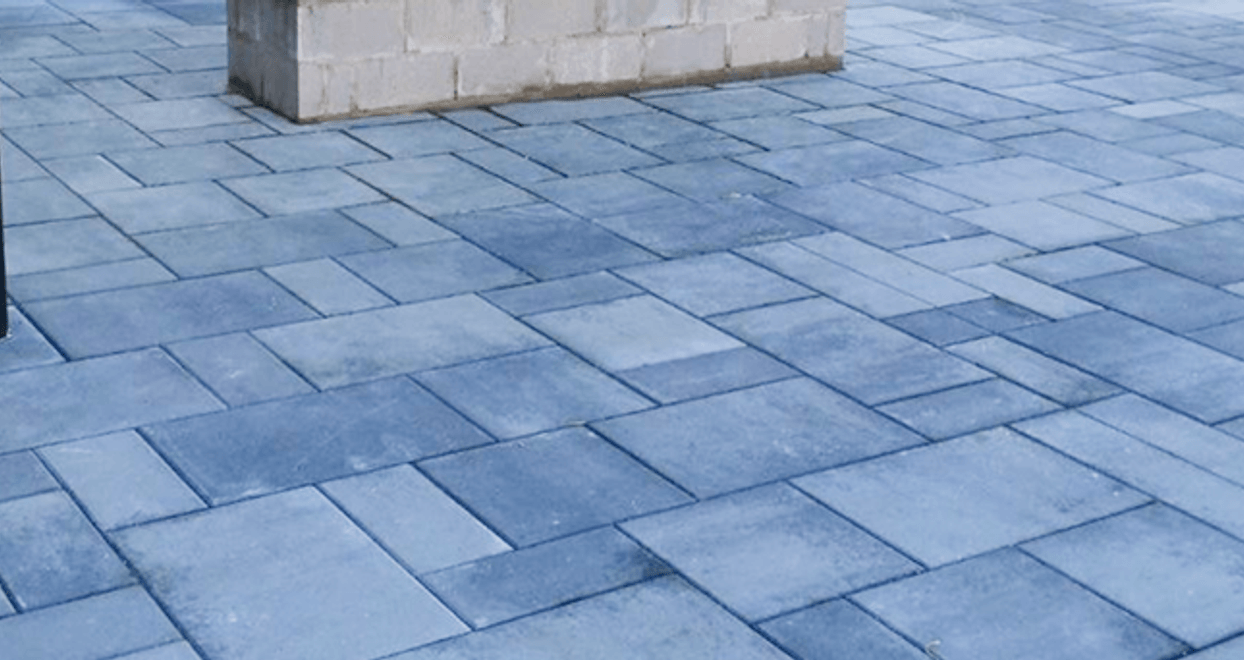
Paver Patio Installation
Individual pavers laid in interlocking patterns over a compacted base. A paver patio gives you a high-end look and easy repairs. A damaged section can be pulled and reset without touching the rest of the surface.
Concrete Slabs for Outdoor Kitchens and Covered Patios
An outdoor kitchen, grill island, or covered patio is only as solid as the slab under it. Slabs on Grade pours that concrete base. We do not build cabinets, grills, or appliances, and we do not frame patio covers. Our job is to make sure the slab under them is flat, strong, and ready.
Size it right. Leave room for the island plus space to walk and cook around it.
Plan for weight. Stone and block islands are heavy, so the slab under them may need to be thicker.
Run utilities first. Gas, water, and power lines for a kitchen should be in place before the pour. Your plumber and electrician set those lines, and we pour around them.
Keep the slope. Even under a roof, the slab should slope away from the house so blowing rain drains off.
Check the permit. In the City of Houston, a patio cover needs a building permit even though a ground-level slab usually does not.
Bring the plans from your kitchen or cover builder to the estimate so the slab matches the layout. Call (832) 422-0354 to talk through your project.
Plan Your Outdoor Kitchen Slab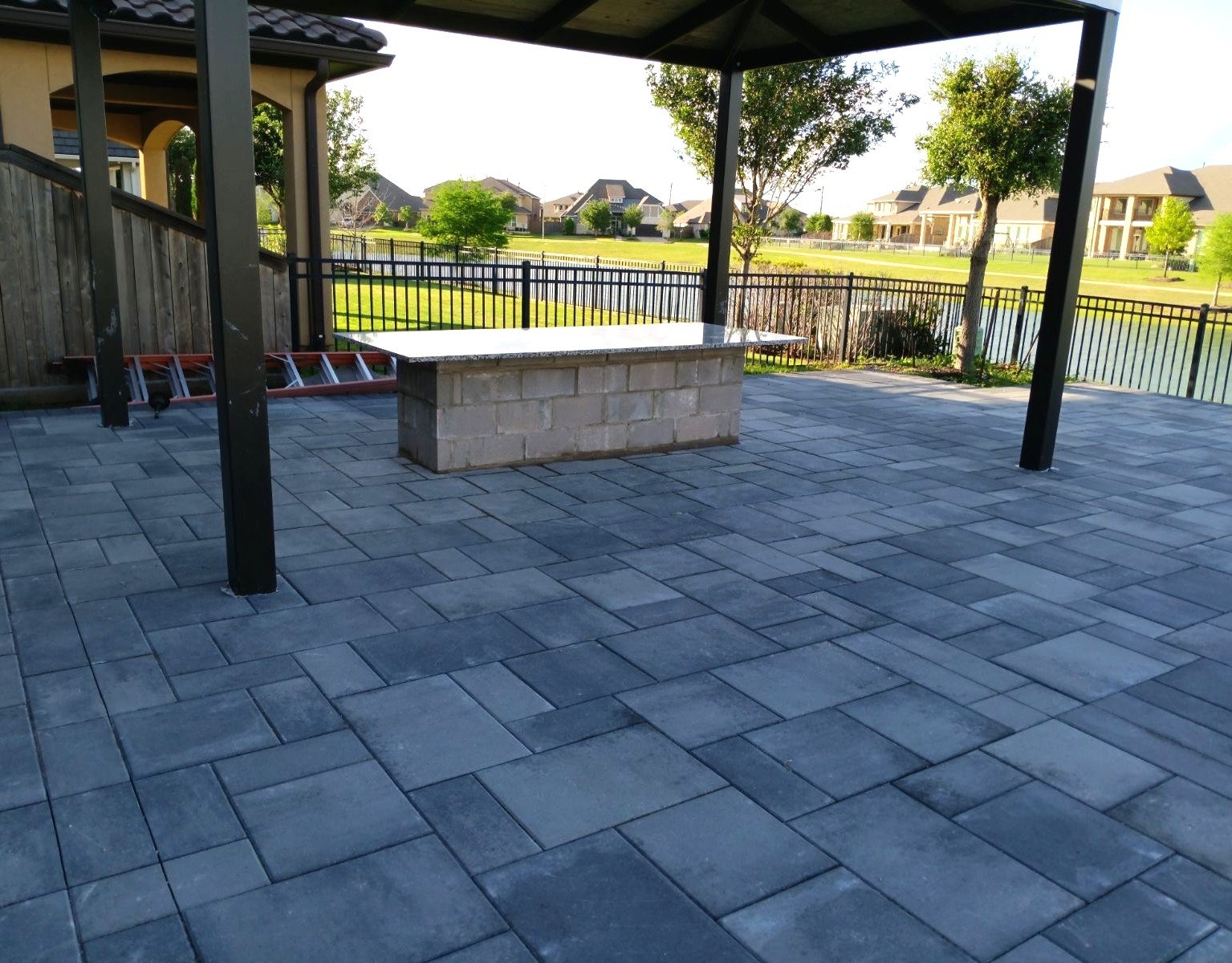
Stamped Concrete vs. Pavers for Your Patio
- 01
Cost and Budget
Stamped concrete usually costs less to install than a paver patio. If you have a large area to cover and a firm budget, stamped concrete often wins on price per square foot.
- 02
Repairs
Pavers win here. Single pavers can be pulled and reset without touching the rest of the patio. With stamped concrete, a repair is hard to match to the old color and pattern.
- 03
Houston Soil and Rain
Both need a well-compacted base. A slab can crack if the clay under it moves. Pavers can settle unevenly, but they can be lifted and leveled again. Good drainage matters for both.
- 04
Timeline
Stamped concrete is poured and finished in one visit, then needs time to cure. A paver patio can be used once the pavers are set and the joints are filled. We walk through both options with you before any work begins.
Our Patio Installation Process
Start to Finish
Here is what happens from your first call to the final walkthrough, so you know what comes next at every step.
Free On-Site Estimate
We come to your property, measure the area, check the soil and drainage, and talk through your options. You get a written estimate with a clear scope before any work starts. We reply to every request within one business day.
Demo & Removal
If you have an old patio, our crew breaks it out and hauls it away. We saw-cut clean edges where the new slab meets existing concrete, like a walkway or driveway.
Grading & Base
This is the step many crews rush. We grade the base so the patio slopes away from your house, about 1/8 to 1/4 inch per foot, and compact the soil to at least 95% density. In soft areas, we add crushed limestone base.
Form & Reinforce
Forms set the patio's shape, height, and edges. Steel rebar is set on chairs at the planned spacing before any concrete is poured.
Pour & Finish
We work with the batch plant so the concrete arrives with the right mix for that day's weather. The crew pours, levels, and applies your broom, stamped, or exposed aggregate finish while the concrete can still be worked.
Cure, Seal & Walkthrough
A spray-on curing compound keeps the slab from drying out too fast in the heat. Control joints guide any cracks into straight lines. Light foot traffic is fine after about 48 hours. We seal decorative finishes and walk the patio with you.
How Much Does a Concrete Patio Cost in Houston?
Every backyard is different, so we price each patio after we see it. We do not post a flat price per square foot. These are the things that move the price up or down.
Size and Shape
A bigger patio costs more in total. Curves, steps, and extra corners add form work and labor.
Finish and Material
A broom finish costs the least. Stamping, color, and exposed aggregate add labor and material. Pavers usually cost the most up front.
Site Prep and Access
Tearing out an old slab, fixing drainage, adding base material, or reaching a tight backyard all add to the job.


When you request a quote, you can pick a budget range from under $5,000 to $40,000 and up. Your on-site estimate is free.
Request a Free EstimateWhat Our Customers Say
Concrete Patios Across Greater Houston
Houston, TX
We build patios, patio extensions, and outdoor kitchen slabs across the city. A ground-level patio here usually needs no city building permit, but a patio cover does. See our Houston concrete services.
Tomball, TX
Our home base in Pinehurst sits just north of Tomball, so backyard jobs in Tomball and nearby Cypress are close to home for our crew. See our Tomball concrete services.
The Woodlands, TX
The Woodlands Township asks homeowners to get design review approval before adding a patio or other hardscape. Plan for that step before your pour date. See our The Woodlands concrete services.
All Cities We Serve
Houston, TX · Katy, TX · Pasadena, TX · Cypress, TX · Pearland, TX · Spring, TX · Sugar Land, TX · Missouri City, TX · The Woodlands, TX · Baytown, TX · League City, TX · Friendswood, TX · Conroe, TX · Tomball, TX
Concrete Patio Questions from Houston Homeowners
Straight answers from our crew. Still have a question? Call us and talk to a real person.
Get a Free EstimateHow much does a concrete patio cost in Houston?
It depends on the size of the patio, the finish you pick, and how much site work the yard needs. A broom finish concrete patio costs less per square foot than stamped concrete or a paver patio. Tearing out an old slab or fixing drainage adds to the price. We come out, measure, and give you a written estimate at no cost, so you have a clear number before you commit.
How thick should a concrete patio be?
Most concrete patios are about 4 inches thick. That is enough for foot traffic, furniture, and a grill. Heavy loads change that. A stone kitchen island, a hot tub, or a patio cover post may need a thicker slab or a deeper footing in that spot. On Houston clay, the base under the slab matters as much as the thickness. We list the slab thickness in your written estimate.
How long does concrete take to cure before I can use my patio?
You can walk on a new concrete patio after about 48 hours. Wait about a week before you set heavy furniture, grills, or planters on it. Concrete keeps gaining strength for weeks and reaches its full design strength at about 28 days. A paver patio is different. You can use it once the pavers are set and the joints are filled, since there is no concrete to cure.
Is stamped concrete or pavers better for a Houston patio?
Both work well here when the base is built right. Stamped concrete is one poured slab, pressed with a pattern that looks like stone, brick, or slate. It usually costs less up front. A paver patio is made of single units over a compacted base. It costs more, but damaged or sunken pavers can be lifted and reset. Choose based on your budget, the look you want, and how the patio ties into the rest of your yard.
Do I need a permit for a backyard patio in Houston?
In the City of Houston, an uncovered patio slab at ground level usually does not need a building permit. Adding a roof or patio cover does. Other cities have their own rules, and many HOAs want to approve plans before work starts. We check the requirements for your address before we begin, and we pull permits when a job needs one.
Can you pour a slab for an outdoor kitchen or patio cover?
Yes. We pour the concrete slab that an outdoor kitchen, grill island, or covered patio sits on. We do not build the cabinets, the appliances, or the cover itself. Bring the plans from your kitchen or cover builder to the estimate. That way the slab size, the thickness, and any gas, water, or power lines are planned before the concrete is poured.
Can you extend my existing concrete patio?
Yes, we build patio extensions. The new section needs a compacted base, a slope that matches the old slab, and a clean joint where the two meet. If the old patio is badly cracked or sinking, replacing it may make more sense than adding on. We will tell you which way we recommend when we come out for the estimate.
How long does a concrete patio last?
A well-built concrete patio can last 25 years or more. The biggest factors are the base, drainage, steel reinforcement, joint placement, and sealing on decorative finishes. In Houston, weak base prep on clay soil is a common reason patios crack early. Every patio we build follows the same prep steps, whatever its size or budget.
Ready to Get Started?
Call or schedule online with Slabs on Grade today for your free on-site concrete estimate. We reply to every inquiry within one business day.
 (832) 422-0354